Electrical Distribution Panels: Importance, Safety, and Efficiency in Industrial Systems
A clear guide to understanding their function, benefits, selection criteria, and impact on plant operational continuity.
The operational foundation of a reliable electrical system
In any industrial, commercial, or infrastructure facility, electrical power must be distributed safely, reliably, and continuously. Distribution panels play a central role in this process because they receive power, protect the system, and distribute it to the facility’s equipment, loads, and systems.
Proper selection, integration, and maintenance not only help ensure electrical-system operation, but also reduce risk, improve operational continuity, and facilitate future plant growth.
What is an electrical distribution panel?
An electrical distribution panel is an assembly that brings together protection, switching, metering, and control devices to manage power within a facility. Its main function is to receive electrical power from a supply source and distribute it in an orderly manner to different circuits or loads.
Depending on the application, these panels may be part of low- or medium-voltage systems and may be designed to operate in industrial environments with specific safety, reliability, and performance requirements.
Why are they so important in electrical systems?
Distribution panels are important because they are a critical point within the electrical infrastructure. Their design and operation determine whether power reaches motors, lighting, control centers, auxiliary systems, and production processes correctly.
Electrical safety
They integrate protection devices to isolate overloads, short circuits, and faults, reducing risks to people and equipment.
Continuidad operativa
Proper protection coordination prevents a single fault from affecting the entire operation.
Organized Maintenance
They make inspections, switching operations, and expansions easier, with greater technical control and less downtime.
Escalabilidad
A well-planned design allows future growth without premature replacements or makeshift solutions.
Main functions of a distribution panel
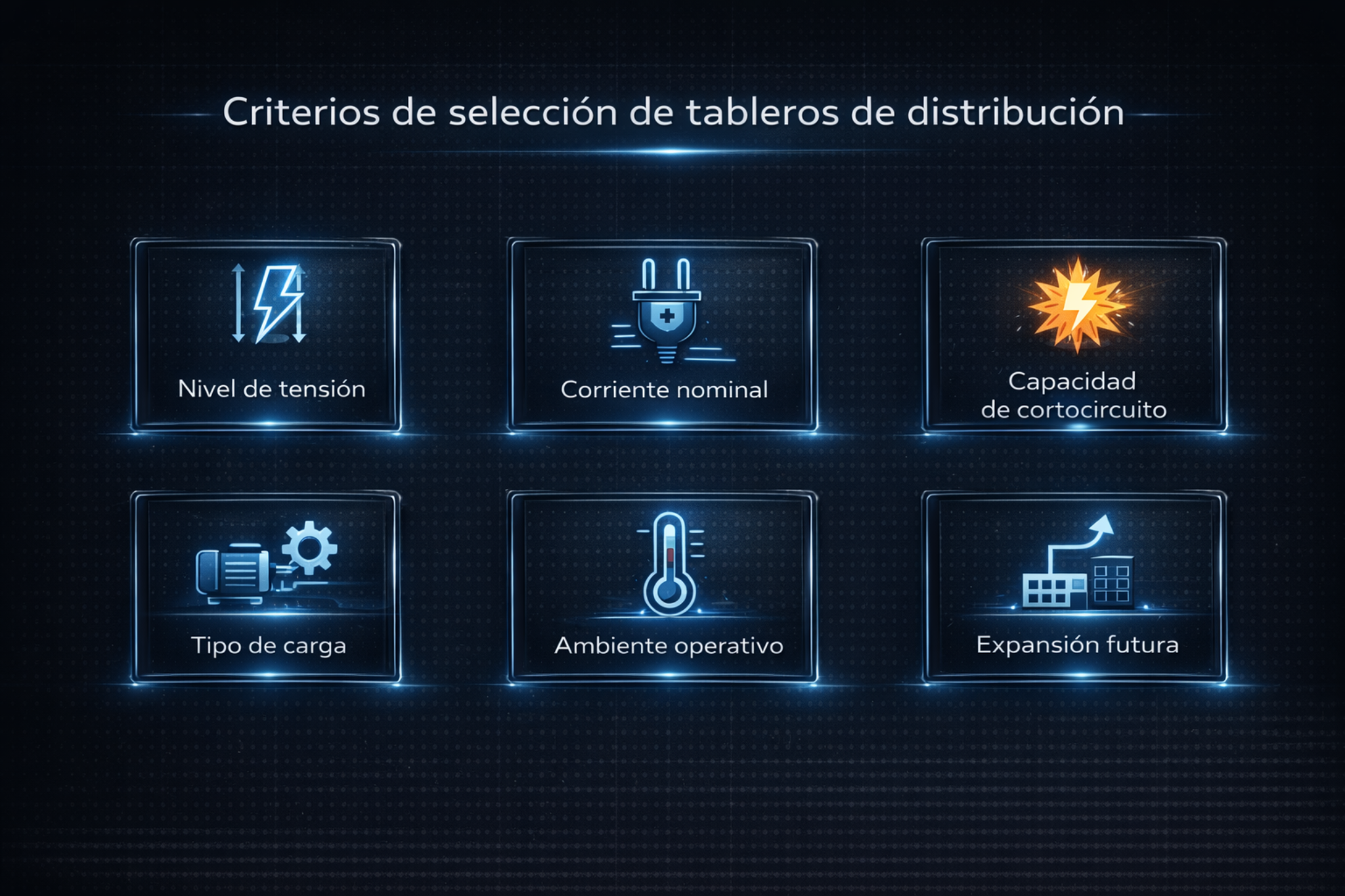
- Power intake: They receive power from transformers, substations, or other supply sources.
- System protection: They include circuit breakers and devices that help isolate faults and protect circuits.
- Load distribution: They distribute power to different feeders, equipment, or operating areas.
- Switching and Control: They enable manual or automated connection, disconnection, and monitoring operations.
- Metering and monitoring: They can integrate instruments for current, voltage, demand, power factor, and power quality.
Benefits for industrial operations
In an industrial plant, well-designed distribution panels provide significant technical and economic advantages. When the system is properly segmented, a fault in a branch circuit does not necessarily compromise the entire production line. This helps reduce downtime, improve asset availability, and facilitate preventive maintenance.
It also improves personnel safety by providing more controlled operation and better integration of protection systems. In critical-process environments, this can make the difference between a localized shutdown and a high-impact interruption.
What should be considered when selecting a distribution panel?
Panel selection should not be based solely on electrical capacity. It is also important to evaluate actual operating conditions, the type of connected load, and the facility’s growth objectives.
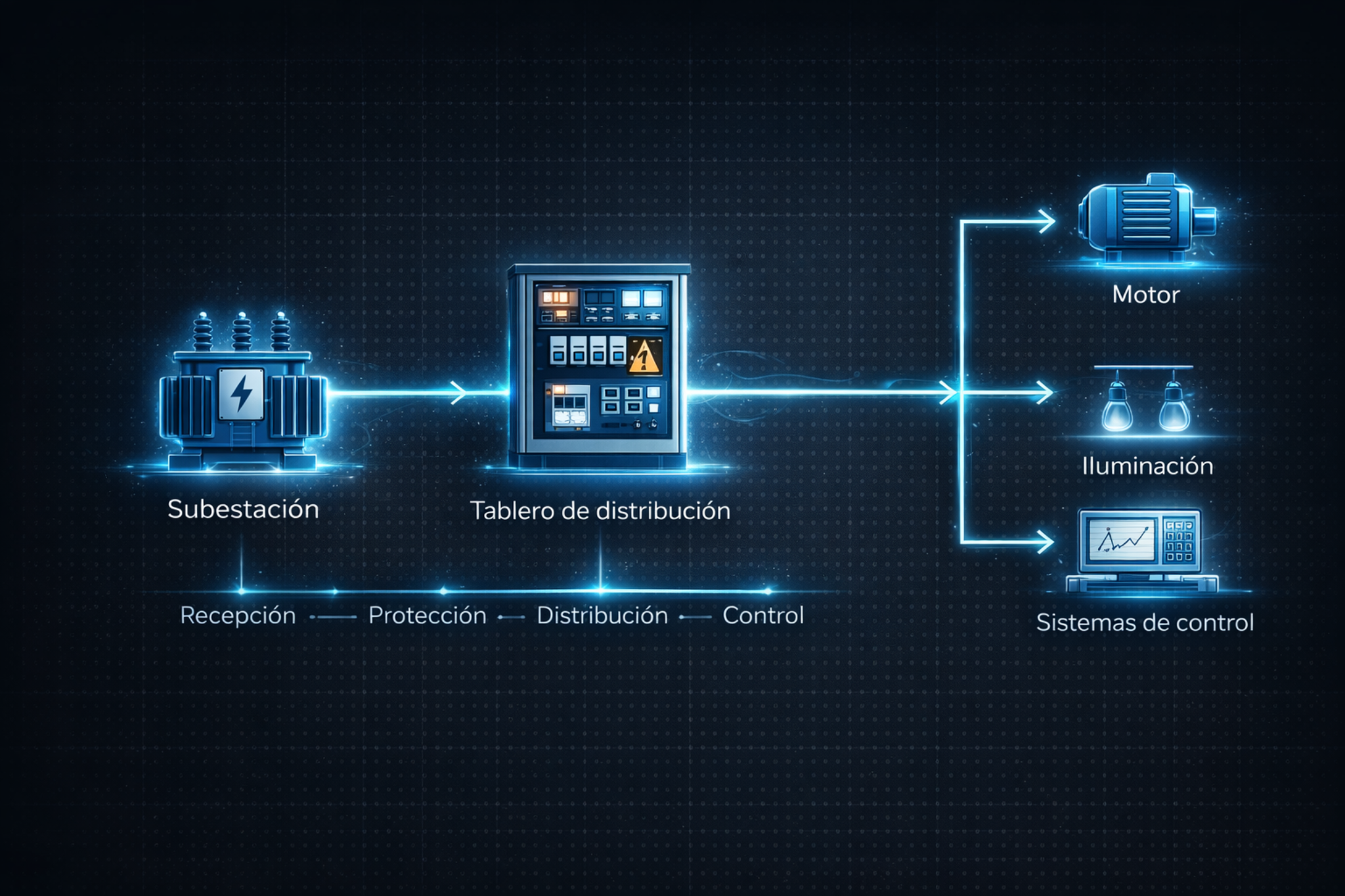
| Criterio | What to review | Operational impact |
|---|---|---|
| Voltage level | Low or medium voltage, depending on the system architecture. | Defines insulation, protection, and the overall configuration. |
| Corriente nominal | Current and future load capacity. | Evita sobrecargas y limita reemplazos prematuros. |
| Capacidad de cortocircuito | Expected fault levels at the installation point. | Improves safety and performance during electrical events. |
| Tipo de carga | Motors, lighting, critical processes, control, or auxiliary services. | Determines the selection of protection, switching, and monitoring. |
| Operating environment | Dust, humidity, temperature, corrosive agents, or classified areas. | Affects the enclosure, materials, and degree of protection. |
| Future expansion | Reserve spaces, modularity, and accessibility. | Facilitates growth without rebuilding the infrastructure. |
Risks of an Improperly Selected or Poorly Maintained Board
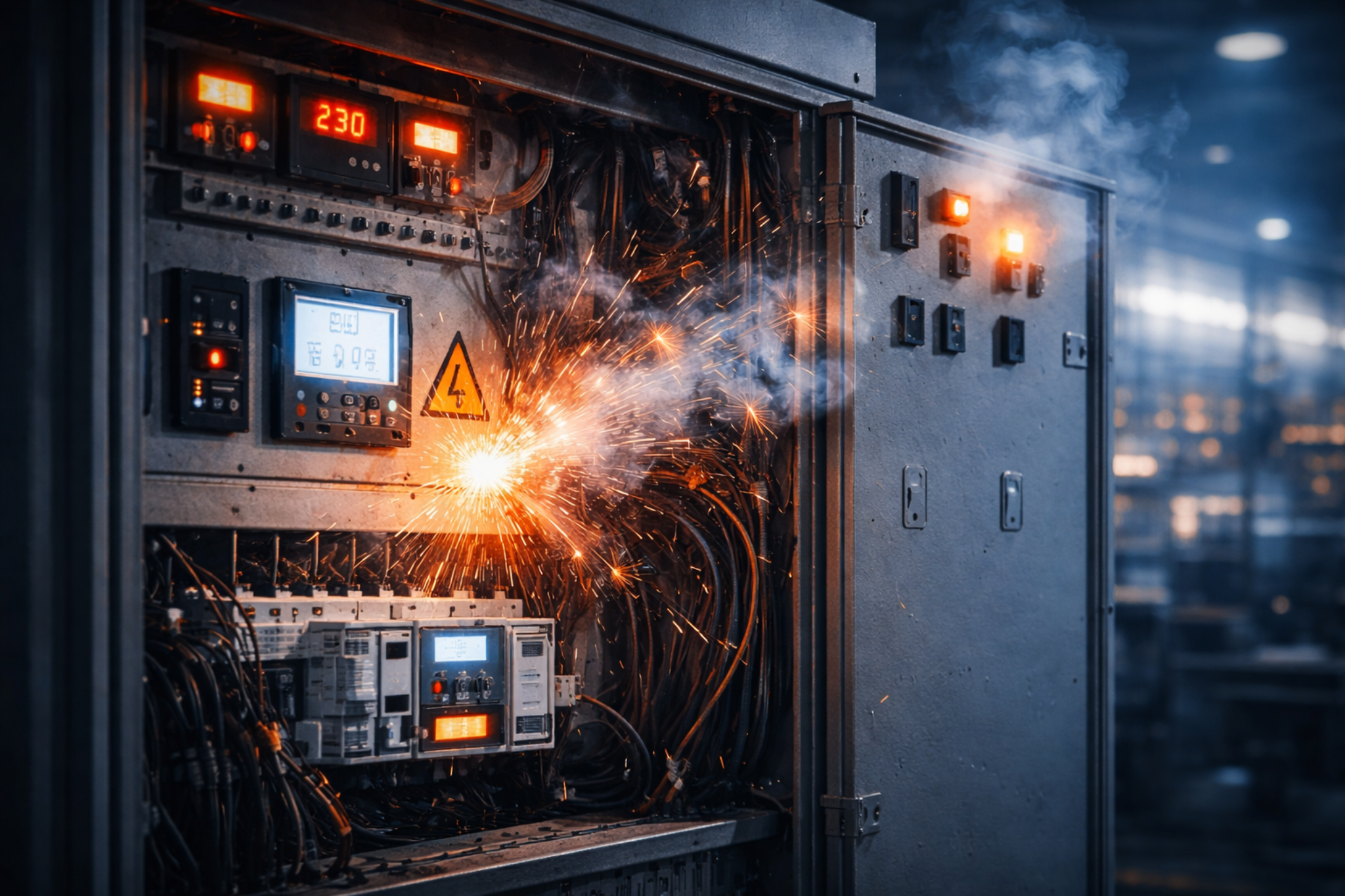
An unsuitable panel can become a source of operational and safety problems. Common symptoms include nuisance trips, overheating, recurring protection failures, loss of operational continuity, and difficulty with maintenance or expansion.
Therefore, in addition to proper engineering and manufacturing, inspection, testing, and maintenance programs are essential to keep components in good condition over time.
The value of specialized engineering
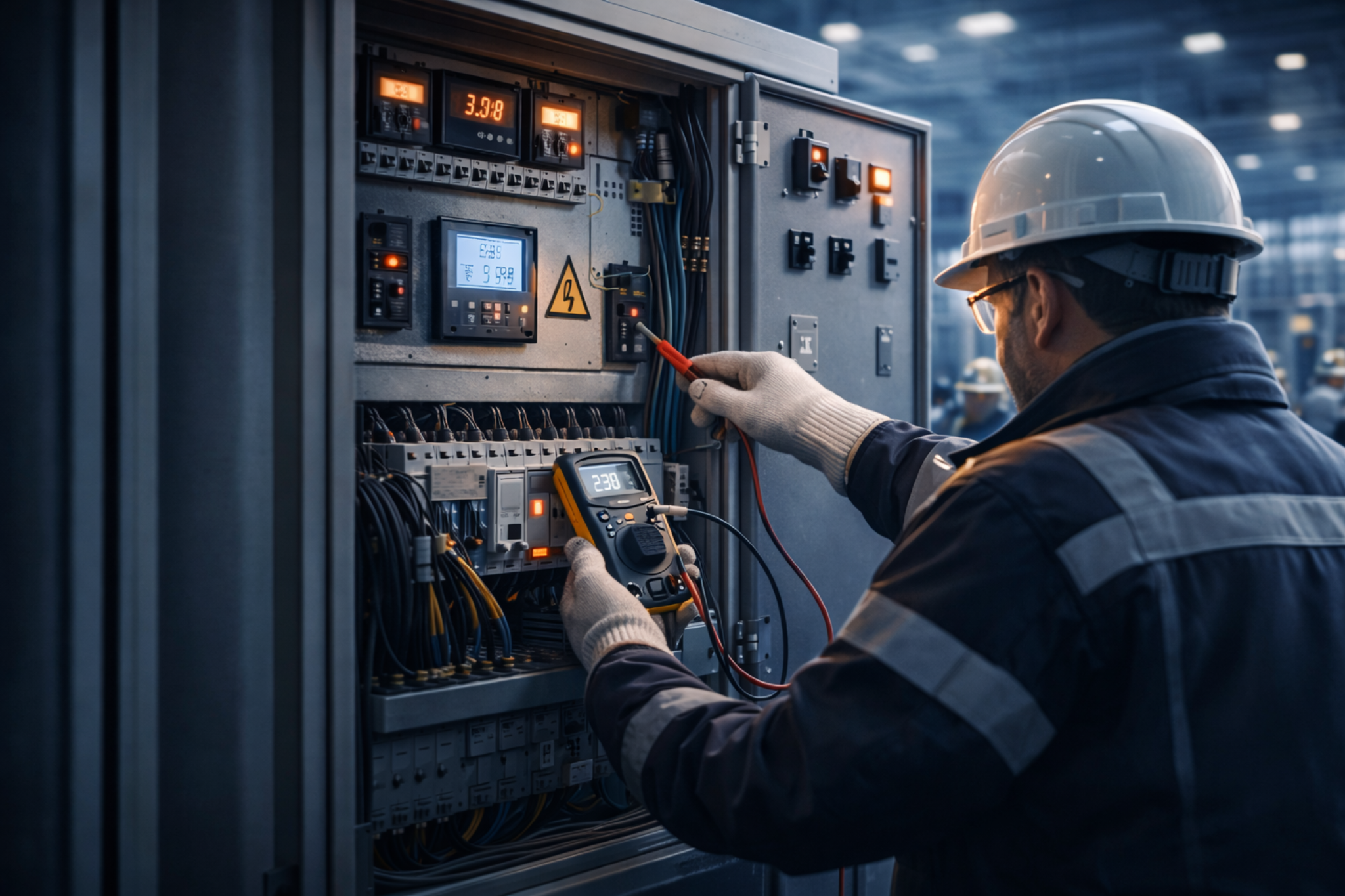
In industrial, energy, and critical-process applications, distribution panels must meet specific operating, space, safety, and regulatory conditions. A specialized engineering approach covers everything from the technical site survey through integration, testing, commissioning, and maintenance.
This ensures that the final solution aligns with the project’s actual needs instead of merely meeting a generic specification.
Preguntas frecuentes
What exactly does an electrical distribution panel do?
It receives, protects, and distributes electrical power to different circuits, equipment, and systems within a facility, enabling orderly and safe operation.
Why are distribution panels important in an industrial plant?
Because they help maintain operational continuity, improve safety, simplify maintenance, and reduce the impact of electrical faults on critical processes.
What should be reviewed before selecting one?
Voltage level, rated current, short-circuit capacity, load type, operating environment, applicable standards, and future growth potential.
Do you need to evaluate, modernize, or design a distribution panel?
At VMS Energy, we develop solutions aligned with each industrial facility’s technical, operational, and regulatory requirements.